
Panel bender machine provide high efficiency sheet metal folding solutions for cabinet manufacturing, electrical enclosures and metal furniture production.

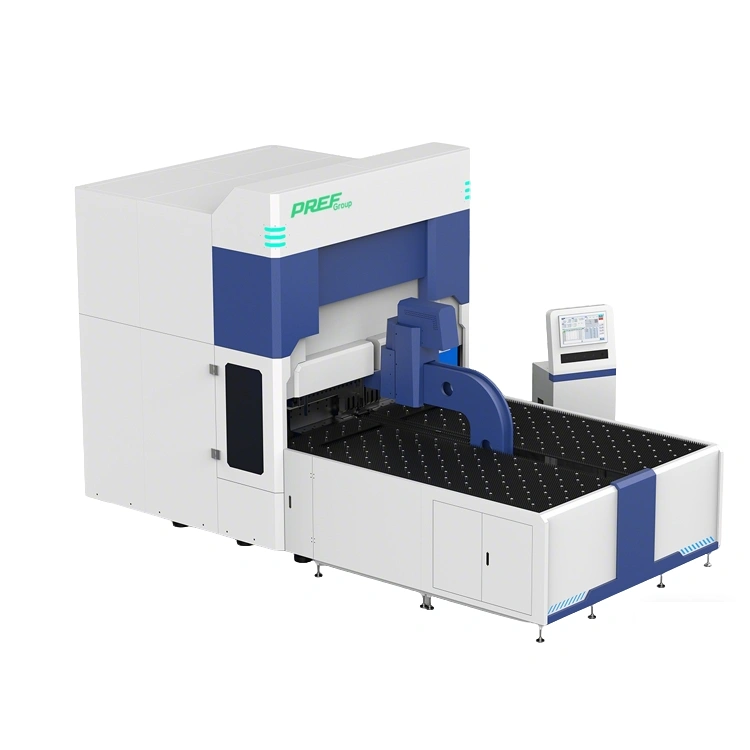
A panel bending machine is built for automatic folding of panel-style sheet metal parts. It is a strong choice for cabinet, enclosure, elevator panel, appliance, and metal furniture production where repeat panels dominate the workload.
Share:
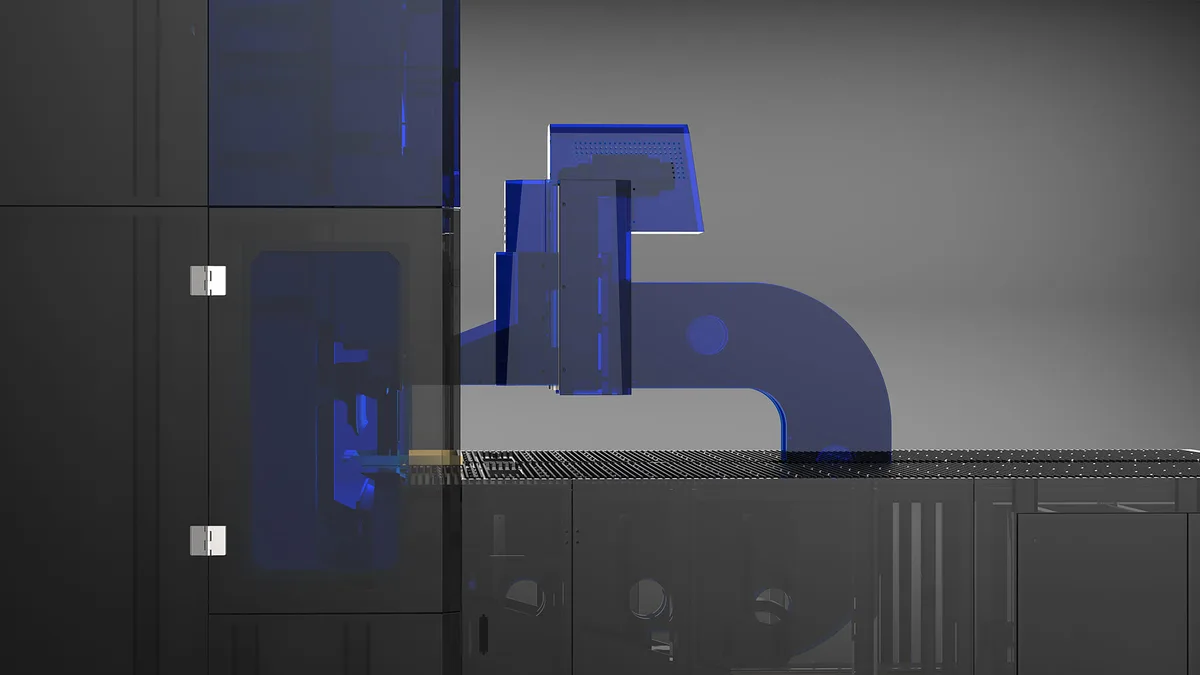
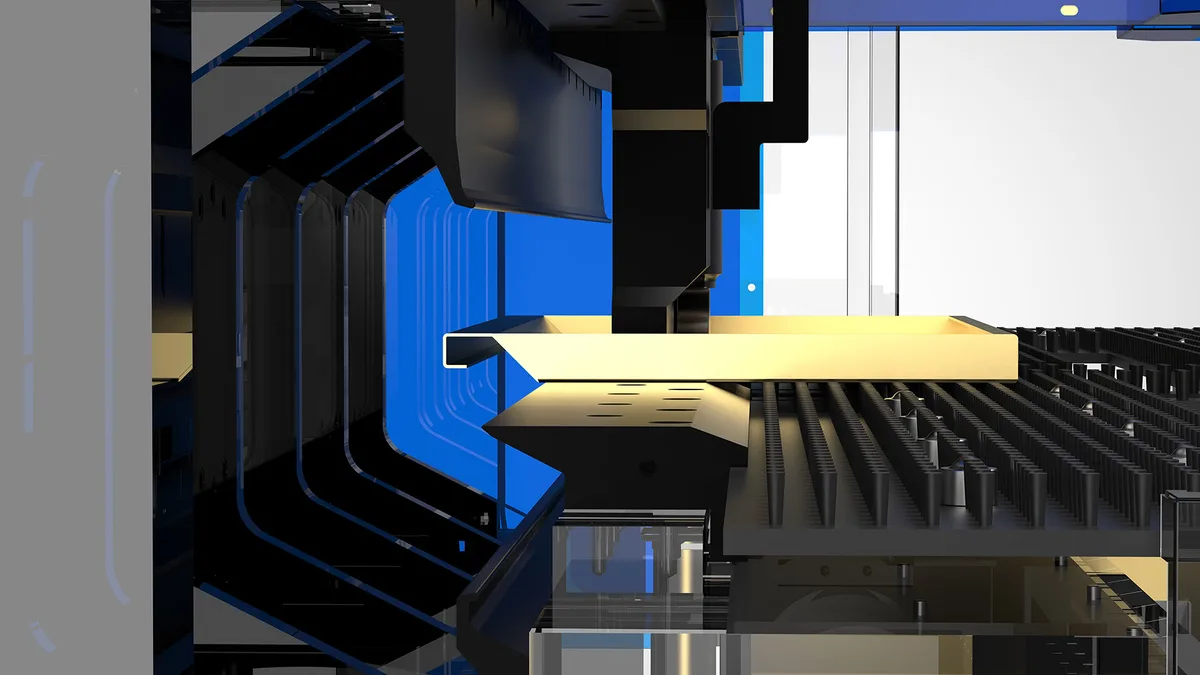
The C-type pressing arm helps hold the sheet more evenly during panel bending. By improving workpiece support and clamping stability, it reduces sheet movement and helps control deformation during fast folding cycles.
This structure is especially useful for cabinet panels, door panels, enclosure panels, and other parts that require clean surfaces, straight edges, and stable forming accuracy.
The panel bender uses servo electric drive technology for accurate movement control, fast response, and efficient energy use. Compared with traditional forming methods, servo control helps improve repeatability and reduce unnecessary power consumption.
Servo-driven bending is suitable for high-mix sheet metal production because it supports fast program changes, stable bending angles, and consistent performance during repeated processing.
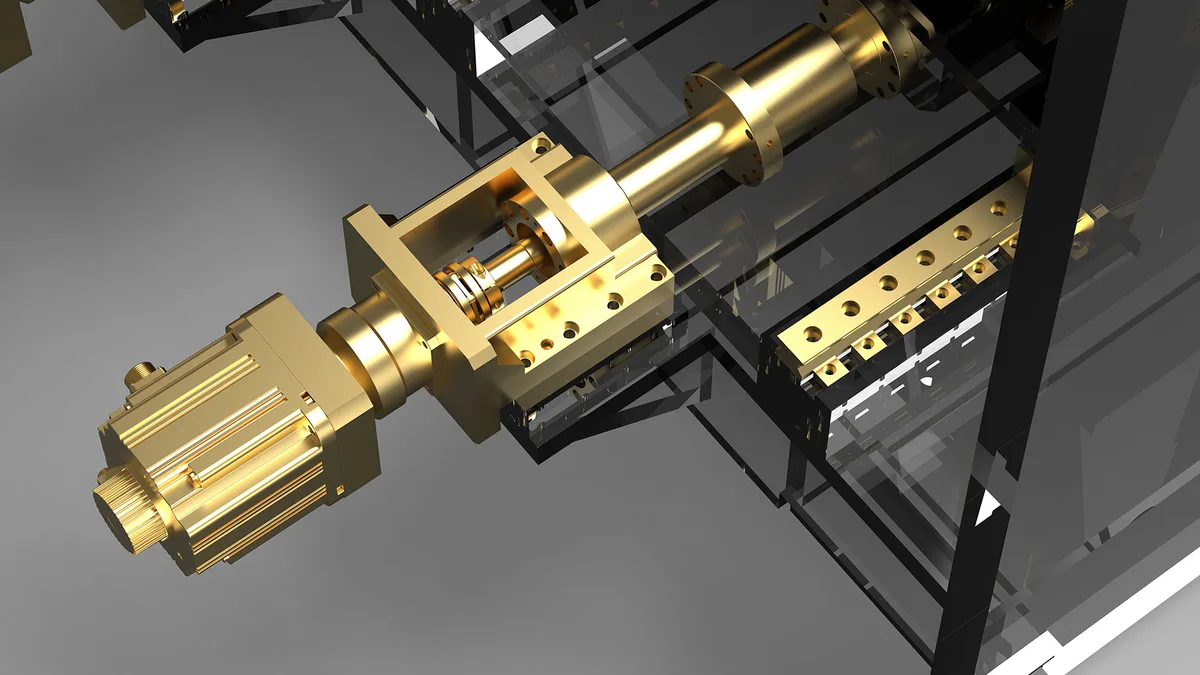
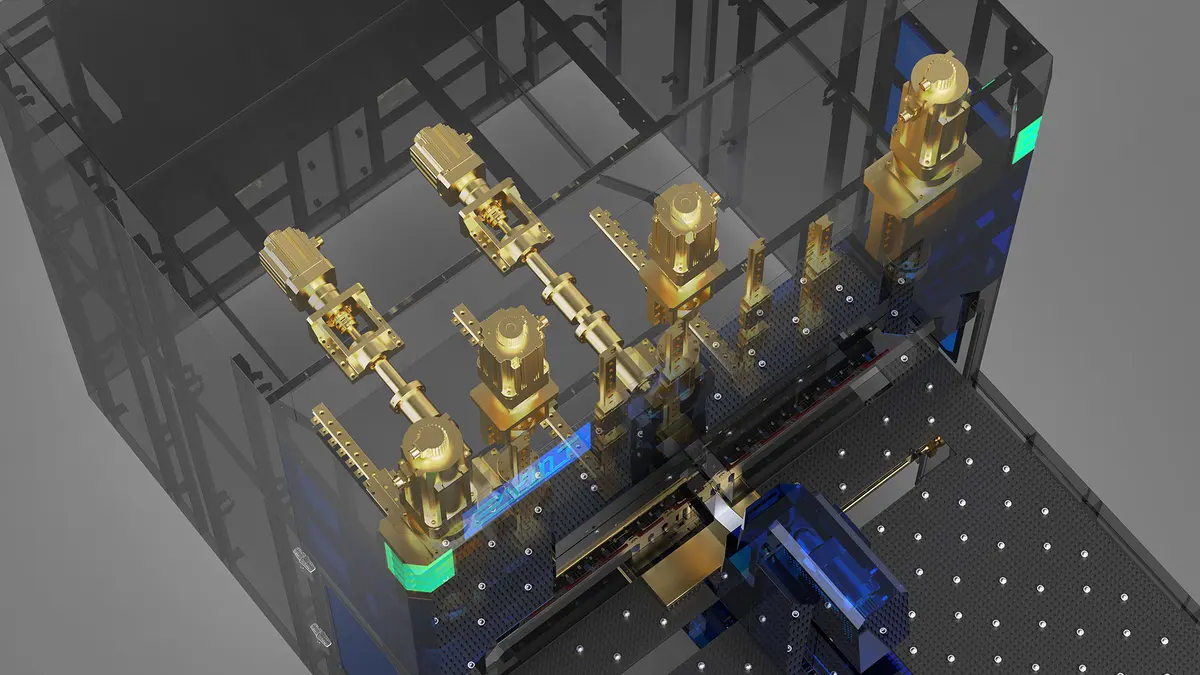
Multi-axis linkage control coordinates pressing, feeding, positioning, bending, and auxiliary movements through the control system. This allows the machine to complete complex panel bending sequences with fewer manual interventions.
Coordinated axis movement improves forming efficiency, reduces setup time, and helps maintain stable accuracy when processing multi-side bending, return bends, and box-shaped workpieces.
The fixed universal tooling design reduces the need for frequent tool changes during common panel bending work. It is suitable for many standard folding operations and helps shorten preparation time between different parts.
This tooling concept improves production flexibility for small-batch and mixed-order fabrication, especially when the workshop needs to process different panel sizes and bending shapes in the same shift.
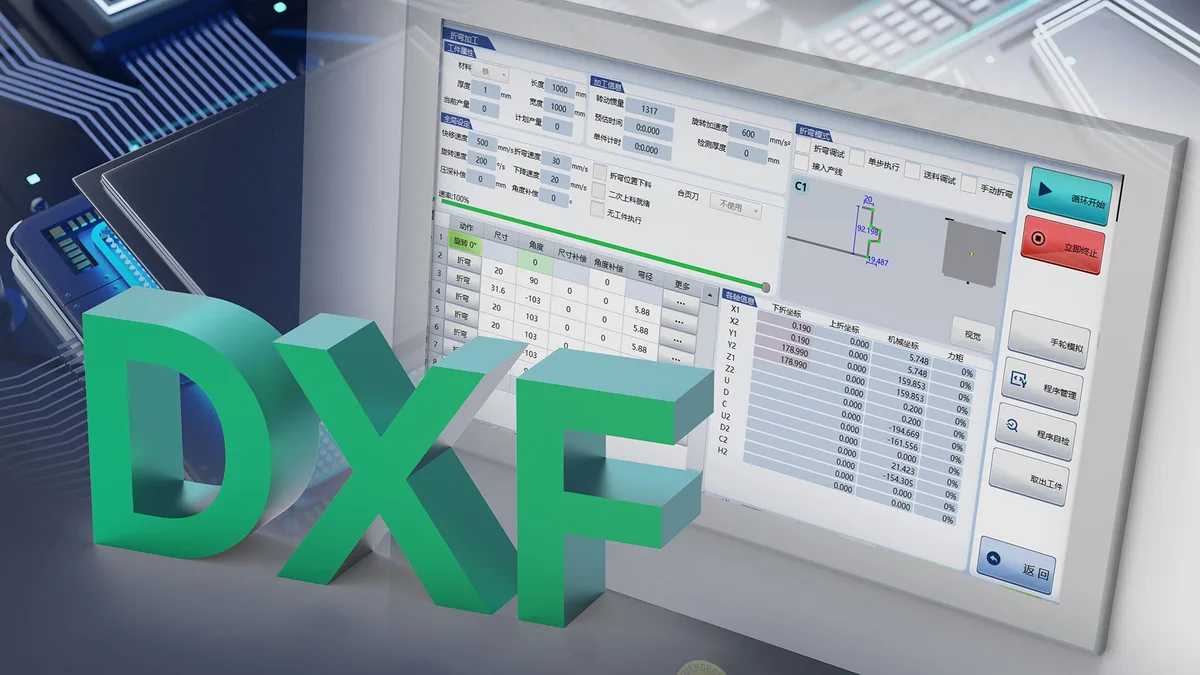
The control system can support 2D DXF drawing import, helping operators convert design files into bending programs more efficiently. This reduces manual programming time and lowers the risk of input errors.
DXF support is useful for sheet metal cabinets, elevator panels, appliance panels, and custom enclosure production, where drawing-based workflow can improve order preparation and production consistency.
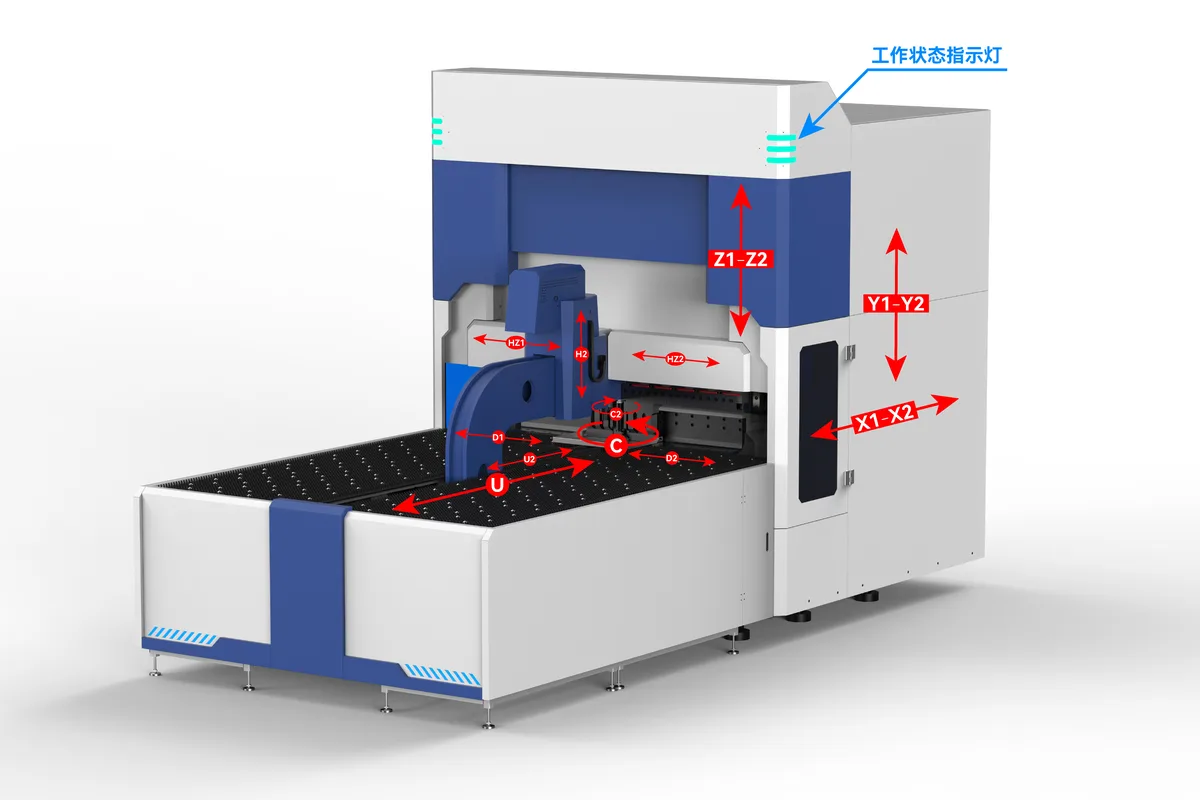
The axis direction diagram helps operators and service teams understand machine movement, bending direction, feeding path, and axis coordination. Clear axis reference improves operation, training, and troubleshooting efficiency.
For a multi-axis panel bender, correct understanding of axis movement is important for programming, forming sequence planning, and safe machine operation.
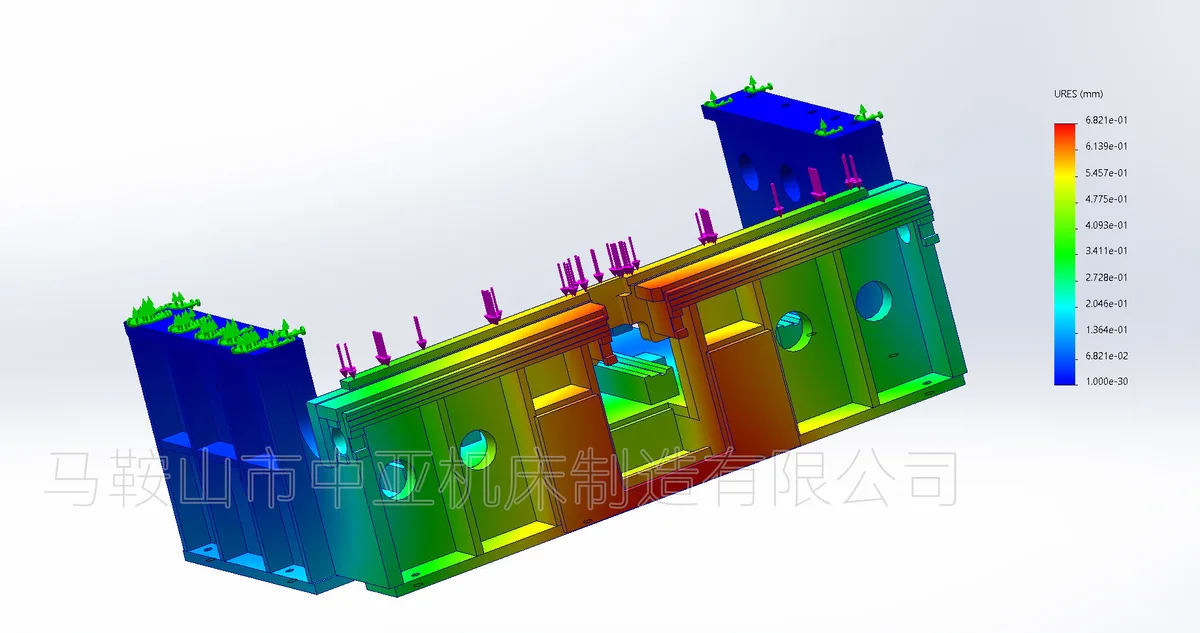
Static stress analysis helps evaluate frame strength, load distribution, and deformation risk before finalizing the machine structure. This supports a more rigid and stable design for precision panel bending.
A properly analyzed structure improves long-term reliability, reduces forming deviation, and helps the machine maintain accuracy when processing large panels or repeated high-speed bending cycles.
Feeding Structure: Pressing arm type
Max. Bending Width: 2500 mm
Max. Bending Size: 2500 x 1500 mm
Custom Workpiece Support: Available
Minimum System Precision: 0.001 mm
Fastest Bending Speed: 0.2 s/bend
Max. Feeding Speed: 90 m/min
Noise: Approx. 50 dB
Max. Bending Height: 180 mm
Min. Bending Height: 4 mm
Min. Arc Radius: 0.5 mm
Max. Bending Thickness: 304 Stainless Steel 1.5 mm / Cold Rolled Steel 2.0 mm
Min. Material Thickness: 0.35 mm
Return Bend Size: 40 mm
Minimum Double-Side Forming Size: 140 mm
Minimum Four-Side Inner Size: 140 x 140 mm without return bend and without hinge tool
Minimum Four-Side Inner Size: 140 x 280 mm with return bend and hinge tool
Bending Angle: 0-180°
Axis Quantity: 16
Rated Voltage: 380 V
Total Motor Power: 105 kW
Overall Dimension: 5700 x 3200 x 3150 mm
Approx. Weight: 26 Ton
Parameters are subject to change without prior notice. Final bending size, sheet thickness, tooling configuration, voltage, control system, safety protection, and quotation data should be confirmed according to the actual order.
Send material type, thickness range, part drawings, required tolerance, daily output target, workshop layout, voltage requirement, and any existing process photos or videos. PREF Group can use this information to recommend a practical configuration.
Yes. The final machine can be discussed according to working size, capacity, controller preference, safety system, tooling, automation, voltage, and shipping requirements.
The parameter tables are used for model selection and comparison. Final order specifications should be confirmed with PREF Group before quotation, production, or publishing a final datasheet.
Start from the part drawing and the production bottleneck. If the main issue is bending, cutting, welding, grooving, punching, or spare parts compatibility, PREF Group can compare the related product category and recommend the better fit.
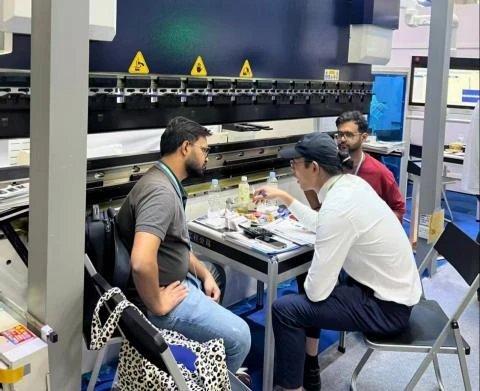
Three Starting Options
Five Basics Before Model Selection
Know the Full Process
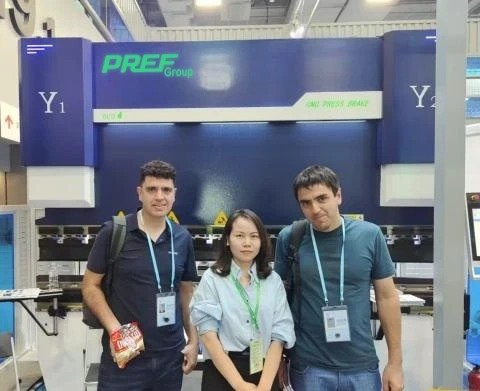
Early Warning Signs to Expand
Choose the Right Upgrade Path
Balance the Entire Production Flow
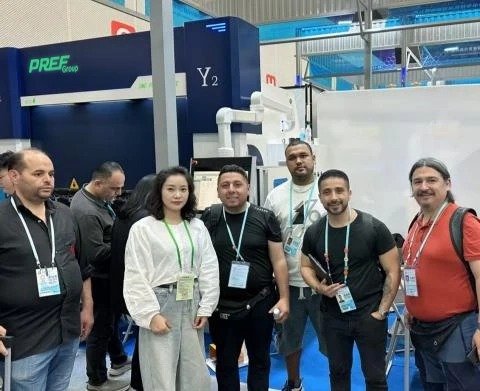
Classification by Distributor Strength
What kind of Support Can Help Dealers
Simple and Fair Cooperation Process is Open to Distributors Worldwide.